Summer 2026 Update
Updated: Jul 23
July 2026 Newsletter
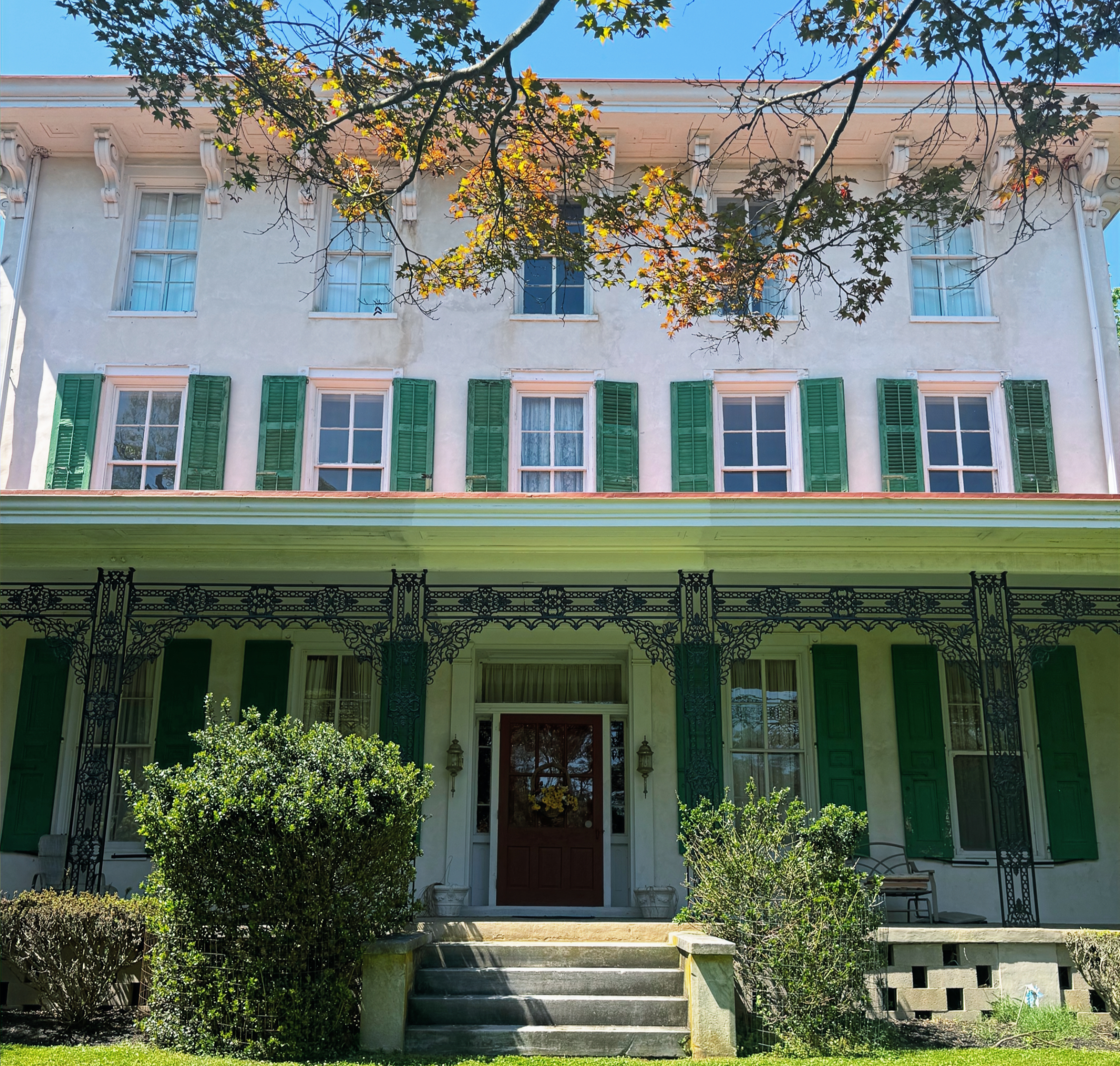
A Fourth of July to Remember
On July 4, 1903, Howard Pyle hosted his annual Independence Day celebration on the lawns of Painter's Folly — and by day's end, he had unknowingly set an artistic dynasty in motion.
Later that day, Pyle drove his student, N.C. Wyeth, across the Brandywine landscape, describing the 1777 clash between Washington and the British in such vivid detail that Wyeth could hardly tell which century he was standing in. Wyeth would later call it "the finest discourse I ever heard."
Writing to his brother soon after, Wyeth described imagining a wounded Continental soldier resting beside a brook — an image that would stay with him for the rest of his life, and one that helped tie the Wyeth family, for generations, to Chadds Ford and the story of the American Revolution.
This Fourth of July, we're thinking of that conversation on the hill — a mentor, a student, and a holiday that changed the course of American art.
Thank you, as always, for your support of Painter's Folly and the stories it holds. Happy Fourth of July!
— The Painter's Folly Preservation Alliance
A Remarkable Discovery: The Atwater-Cleveland Photographs
We're thrilled to share that PFPA has acquired a collection of 900 Atwater-Cleveland family photographs, spanning from the 1840s to the 1960s. Many were taken at Painter's Folly and offer a rare window into the Chadds Ford landscape at the turn of the twentieth century. We're currently digitizing the collection before donating it to a permanent archive.
The Cleveland-Atwater era was one of the most transformative chapters in Painter's Folly's history:
Dr. Arthur Cleveland, a laryngologist on staff at Presbyterian Hospital and the Pennsylvania School for the Deaf, became owner of Painter's Folly and its 500 surrounding acres in 1903. A former ward of Joseph and Eliza Turner of Chadds Ford, he also served as President of the Birmingham Township Board of Supervisors.
Together with his father-in-law, Richard Mead Atwater, Dr. Cleveland ran Lafayette Dairies — one of only two local dairies selling milk in glass bottles.
By 1906, Richard Atwater had moved into Painter's Folly himself, while the Clevelands relocated to the neighboring Gideon Gilpin House. The Atwaters purchased the home and 47 acres outright in 1908. Richard Atwater — a glass manufacturing magnate and former mayor of Sea Isle City, NJ — became a local authority on the Battle of the Brandywine, regularly lecturing on Revolutionary War troop movements. (His wife, Sophia Greene Atwater, was a descendant of General Nathaniel Greene, Washington's second-in-command at the battle.)
In the decades that followed, the Cleveland-Atwater family's holdings — including Washington's Headquarters, Lafayette's Headquarters, Painter's Folly, Wyndryst, Turner's Mill, and Red Barn Farm (Kuerner Farm) — placed the family at the center of the very debates that led to the creation of today's Brandywine Battlefield Park, formally established with the Brandywine Battlefield Bill of 1947.
Richard Mead Atwater died at Painter's Folly in 1922. The property remained in the family until 1953, when it was sold to John and Mary Fisher, closing a fifty-year chapter in which the Clevelands and Atwaters helped shape the agricultural and historic identity of Chadds Ford and the Brandywine Valley.
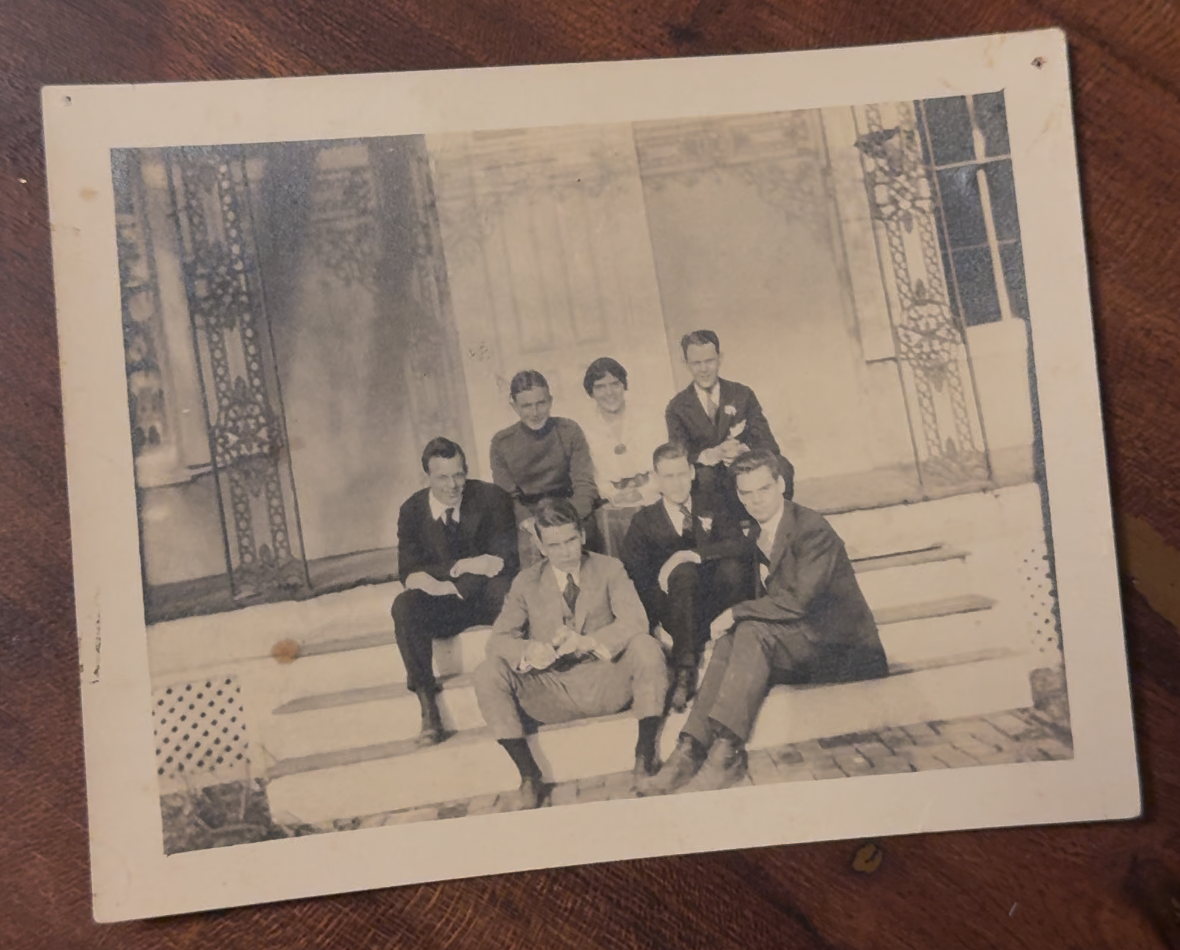
Andrew Wyeth on Widow's Walk
The December 1990 issue of The Connoisseur magazine recently caught our eye — specifically, the exclusive interview in which Andrew Wyeth reflects candidly on several of his paintings, including Widow's Walk (1989), a piece he called "the biggest picture I've done since Helga."
Wyeth explained that he was drawn to the painting's window glass in particular, describing the house as one that had stood in view his whole life. He shared a personal connection to the setting as well: his father had spent time there as a young student and was later killed within sight of the place, giving the scene what Wyeth described as a mystical quality for him.
It's a striking glimpse into how deeply personal history, memory, and place shaped Wyeth's work — themes that resonate closely with our own efforts to preserve the landscapes and stories connected to Painter's Folly.
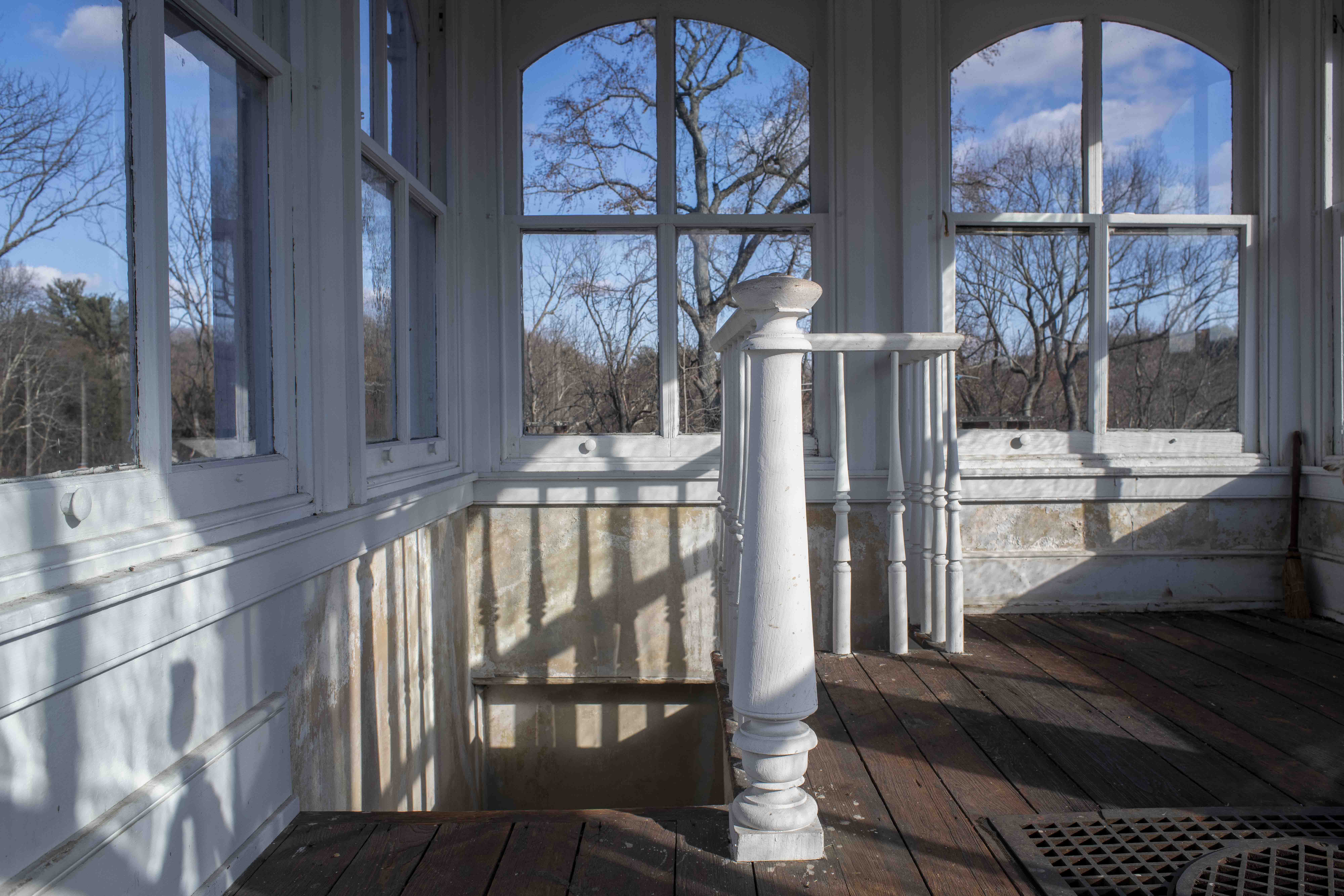
© Ed Worteck, 2026
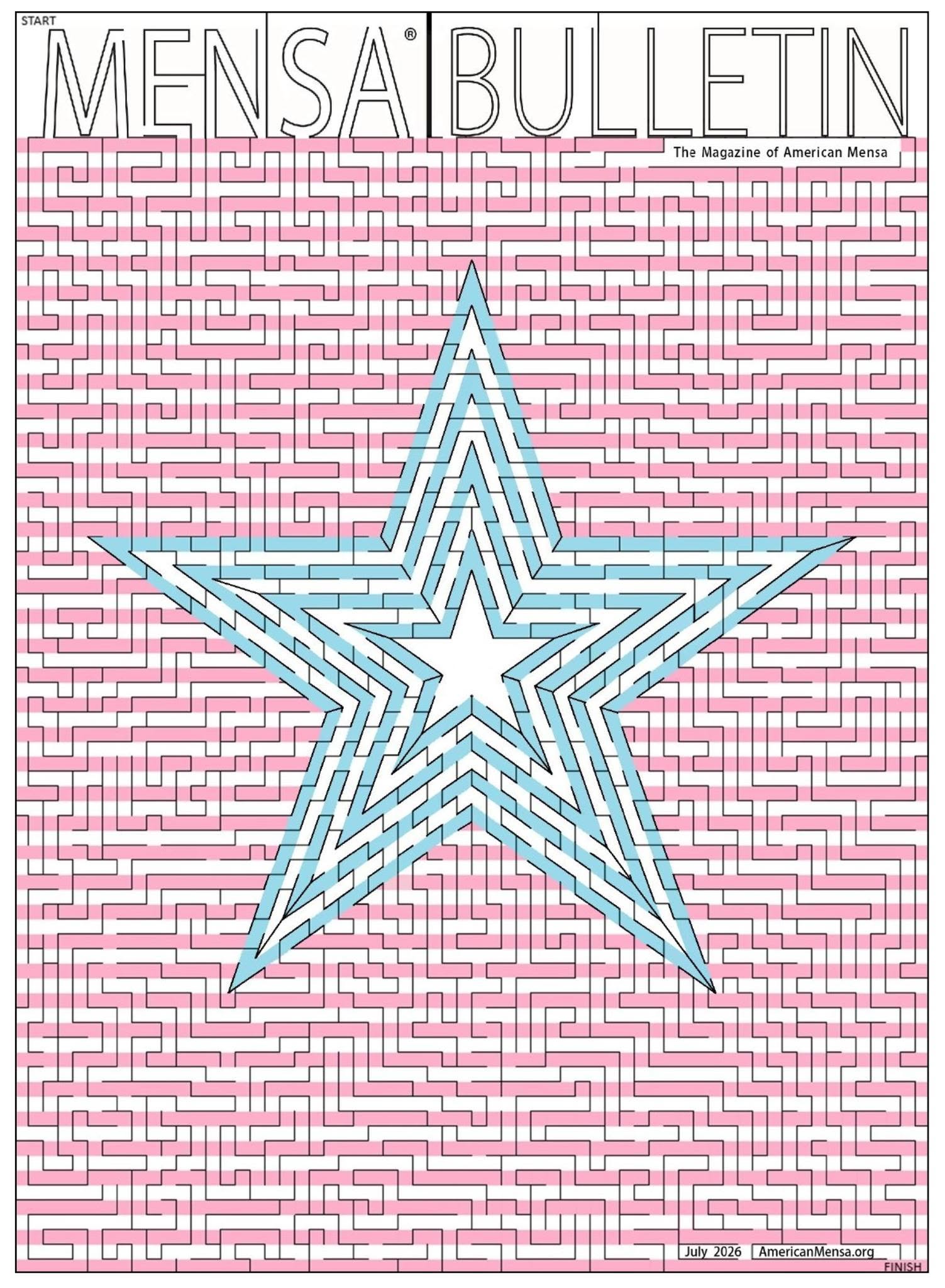
PFPA in The Mensa Bulletin
We're proud to share that PFPA co-founder Emma Leuschner's essay, "The World Is a Small Place," appears in the July edition of The Mensa Bulletin, featuring photography by fellow co-founder Ed Worteck.
The essay traces a remarkable full-circle moment: as a girl, Emma stood before Andrew Wyeth's 1993 tempera Marriage at Atlanta's High Museum of Art, unsettled and quietly moved by the painting's mysterious, dreamlike couple. Years later, after relocating to "Wyeth Country" in southeastern Pennsylvania and becoming involved in local preservation work, she learned that Painter's Folly had once been a hideaway for Wyeth himself — and that the very bedroom depicted in Marriage belonged to the home's former owners, George and Helen Sipala, who rented the property's carriage house.
Emma went on to meet Helen — now in her 90s, and the same woman she'd once known only as a painted figure — and the two struck up a friendship, swapping stories about Painter's Folly, the Sipalas' decades-long bond with Wyeth, and Helen's own reflections on mortality, memory, and the interconnectedness of it all. Emma writes that stepping into Helen's carriage house felt like being pulled directly into the scene of Marriage itself — "the bedroom where Andrew Wyeth painted homeowners George and Helen Sipala asleep in their bed was virtually untouched."
It's a personal look at how art, place, and preservation intertwine — and a reminder of why the stories held within Painter's Folly's walls are so worth saving.
The Wyeth Interview Project: Preserving the Stories Behind the Canvas
Andrew Wyeth remains one of the most celebrated American painters of the twentieth century, yet the individuals who modeled for him, and who knew him in Chadds Ford and along the Maine coast, have rarely had the chance to share their own accounts.
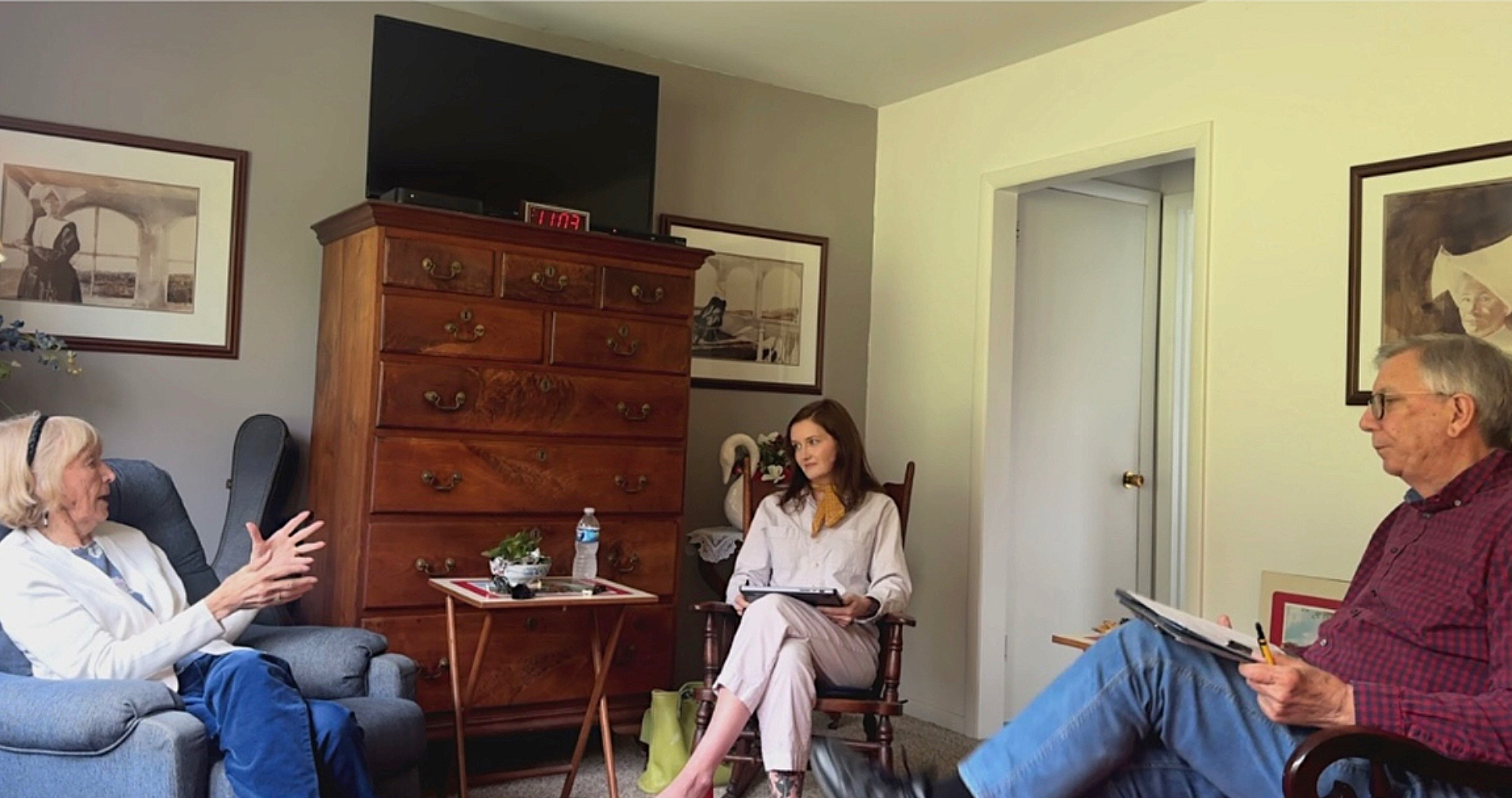
The Wyeth Interview Project aims to change that — conducting oral history interviews with those models, friends, and associates to capture their firsthand knowledge and experiences.
We've identified numerous potential interview subjects across Delaware, Pennsylvania, and Maine. Their recollections promise to enrich our understanding of Wyeth's creative process, challenge the narrative of the "solitary genius," and — importantly — restore the voices of the female models whose presence shaped so much of his most iconic work but whose own stories have gone largely untold.
The project follows ethical oral-history best practices, including informed consent and subject review of transcripts, and anticipates roughly three years from launch to reaching both scholarly and general audiences through an archived collection and public-facing publication.
We're actively seeking an institutional partner — a museum, university library, or historical society with existing Wyeth holdings — to help preserve this archive for future generations. If that's you, or someone you know, we'd love to talk.
If you — or a parent, grandparent, neighbor, or old family friend — modeled for Andrew Wyeth, worked alongside him, or simply knew him as a familiar face around Chadds Ford or the Maine coast, we want to hear from you. We'd love the chance to capture those firsthand memories and add them to the historical record.
If this describes you or someone close to you, please reach out — we'd be glad to answer questions about the process and what participating involves. Reach out to us at info@paintersfollypreservationalliance.com to discuss.
PFPA Co-Founder to Present at the Pennsylvania Historical Association Conference
Mark your calendars: this October, PFPA co-founder Emma Leuschner will present her paper, "Painter's Folly: A Catalyst for Revolutionary Memory and American Art," at the Pennsylvania Historical Association's annual conference. The 2026 conference will take place from October 22-24, at Northampton Community College in Bethlehem, Pennsylvania.
This year's conference, titled "Revolutionary Legacies in the Mid-Atlantic," explores Pennsylvania's long history of freedom, power, and dissent — from the colonial era to today. We're honored to have Painter's Folly's story included in the conversation.
Leuschner's paper traces how Painter's Folly became the site of Pyle's Chadds Ford summer art schools from 1898 to 1903. She'll explore how Pyle's own ancestral ties to the village, his fascination with American history, and his belief in immersing students directly in the landscape they were painting all converged at Painter's Folly, giving rise to the Howard Pyle School of Art and the Brandywine School style of illustration. From there, the paper follows the ripple effects: the historical illustrations and wartime depictions produced by Pyle's students, and ultimately the founding of the Wyeth family art dynasty — all traced back to the Gilpin and Painter families' roots in Chadds Ford, the legacy of the Battle of the Brandywine, and Painter's Folly itself.
The paper is currently available to researchers as part of the Delaware Art Museum's Howard Pyle Manuscript Collection.
Painter's Folly named to the 2026 Pennsylvania At Risk List
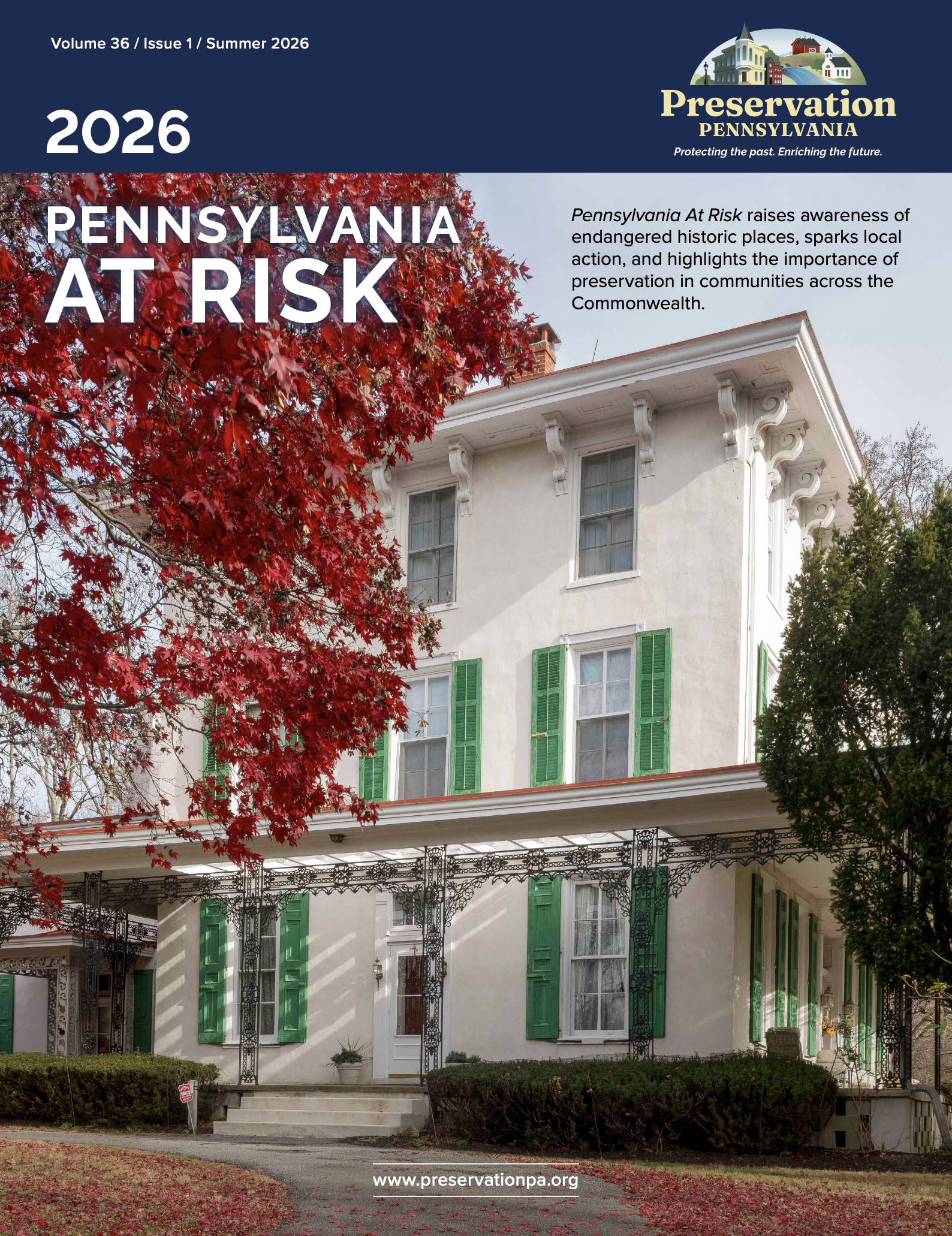
Preservation Pennsylvania has included Painter's Folly on its 2026 Pennsylvania At Risk list, an annual publication that spotlights the Commonwealth's most endangered historic properties. Painter's Folly is one of five properties listed in 2026, and the only one located in Delaware County. Painter's Folly also graces the cover of the hard-copy magazine!
As Pennsylvania's only private, statewide nonprofit dedicated to historic preservation advocacy, Preservation Pennsylvania has been sounding the alarm about at-risk sites since 1992. Through the Pennsylvania At Risk program, they partner with local advocates, raise statewide awareness, and provide communities with the technical assistance they need to fight for these irreplaceable places.
Today, Painter's Folly faces a critical moment. Owned by Chadds Ford Township since 2018, Painter's Folly has experienced ongoing physical deterioration and lacks a clear long-term stewardship plan. Proposals for limited façade easements raise concerns that historically significant interior spaces may go unprotected. Previous efforts to activate the site — including artist studios and public programming — have been discontinued.
The Painter's Folly Preservation Alliance and a broad coalition of local advocates are actively working to identify a viable preservation path, including pursuing a long-term preservation partner.
The Pennsylvania At Risk listing brings vital statewide attention to this pivotal moment. To learn more or get involved, visit preservationpa.org.
Preservation Partners: we want you!
In response to strong public interest, the Painter’s Folly Preservation Alliance reaffirms its commitment to securing a long-term preservation partner for Painter’s Folly. We recognize concerns about taxpayer cost, public programming, and accessibility—and we believe there is a sustainable path forward.
Under the Second Class Township Code, Chadds Ford Township may convey or lease the property directly to an eligible nonprofit, school, institutional district, or the Commonwealth, rather than pursue a public auction. Across Delaware County, eighteen municipally owned historic sites operate successfully through similar co-stewardship models with nonprofit partners.
We invite qualified preservation partners to explore the available resources and join us in ensuring that this landmark remains protected, accessible, and vibrant for generations to come.


Comments